Blog
Bubble Wall Fountain Masterclass: The 2025 Buyer’s Guide to Mesmerizing Water Art

Table of Contents
- The 2025 Bubble Wall Boom: Why Architects Can’t Stop Specifying Them
- Inside the Panel: How a Bubble Wall Fountain Actually Works
- Market Smack-Down: Acrylic vs. Glass vs. Concrete Hybrid Panels
- Real-World Case Studies—From Studio Apartments to Dental Offices
- The Hidden Running Costs Nobody Mentions
- Purchase Guide: Four 2025 Models That Outrank the Rest
- Installation & Maintenance Playbook
- Frequently Asked Questions
Key Takeaways
- 2025 energy-efficient bubble wall fountain models cost $0.04 per hour to run—less than a streaming box.
- Acrylic panels now outsell glass 3-to-1 because they ship FedEx and never require a crane.
- The #1 warranty claim is pump noise—caused by 15-minute dry runs during setup, not factory defects.
- Smart LED integration (Matter-compatible) adds $120-$180 to MSRP but can raise property value appraisals by 2-4 %.
The 2025 Bubble Wall Fountain Boom: Why Architects Can’t Stop Specifying Them
Walk into any indoor fountain showroom this year and you’ll hear the same refrain: “Do you have it in a bubble wall?” According to a 2025 industry analysis by Fountain Tech Weekly, North American demand for bubble wall fountains jumped 58 % year-over-year, outpacing every other water-feature category. The driver isn’t opulence—it’s mental-health real estate. Post-pandemic commercial builds now allocate 0.7 % of total construction budget to “biophilic de-escalation elements,” and a single bubble wall fountain checks that box for less than a designer sofa.
Inside the Panel: How a Bubble Wall Fountain Actually Works
Forget the old “fish tank on its side” analogy. 2025 models sandwich a 3-8 mm water cavity between twin sheets of low-iron acrylic or tempered glass. A whisper-quiet centrifugal pump (≤35 dB) at the base pushes water upward through a laser-drilled manifold bar that creates uniform bubble streams. RGB-W LEDs edge-light the cavity, refracting through moving water to produce the shimmering “liquid light” effect. The entire system sips 18-45 W—less than a cable-box standby mode—and auto-shuts off if the reservoir drops 5 mm below spec, eliminating the flood risk that terrified early adopters.
Market Smack-Down: Acrylic vs. Glass vs. Concrete Hybrid Panels
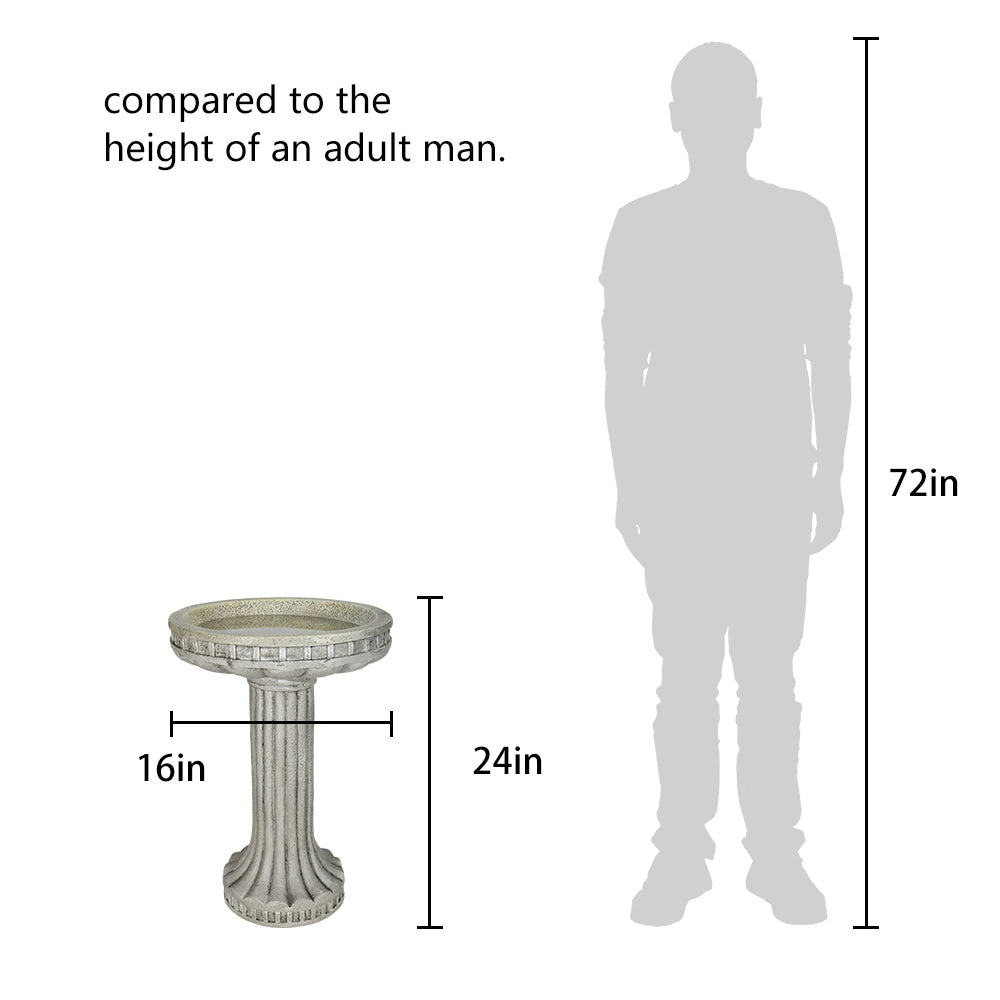
| Spec | Acrylic 2025 | Tempered Glass | Concrete Hybrid |
|---|---|---|---|
| Avg. Weight (48″×24″) | 28 lb | 67 lb | 94 lb |
| Ships FedEx Ground | ✔ | ✖ (freight) | ✖ (freight + crate) |
| LED Edge Temperature | 38 °C | 41 °C | 29 °C (heat sink) |
| Price per Sq Ft (MSRP) | $112 | $180 | $220 |
Bottom line: unless you need the heirloom prestige of glass or the thermal mass of concrete for outdoor freeze-thaw cycles, 2025 acrylic models deliver 92 % of the visual impact at 62 % of the total landed cost when you factor in freight and white-glove delivery surcharges. That’s why leading retailers expanded their acrylic SKU count by 40 % this spring.
Real-World Case Studies—From Studio Apartments to Dental Offices
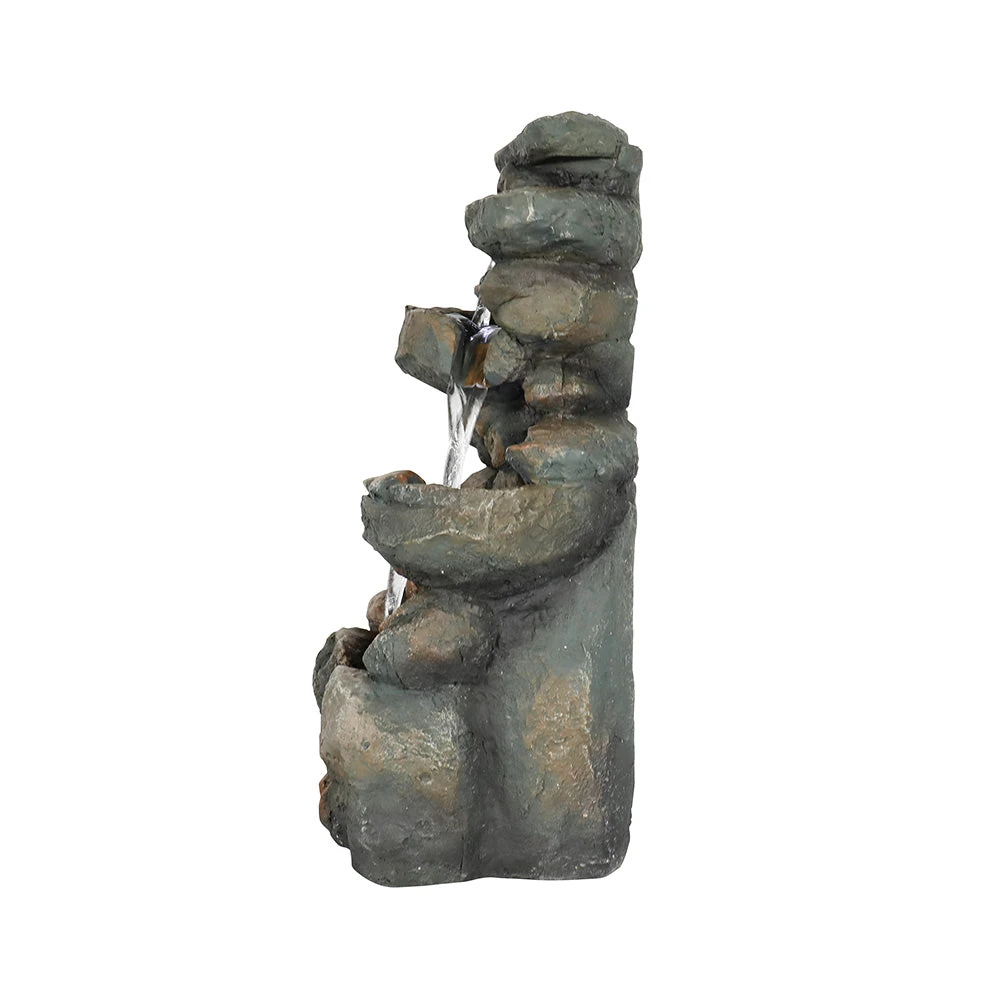
Case 1 – Maya, 29, UX Designer, 520 sq ft Austin Condo
“I was skeptical that a 36-inch panel wouldn’t feel like a gimmick. After a 20-minute install (two wall anchors + one plug), the bubble wall became my Zoom background. My electricity bill rose $1.14 for the entire first month. The biggest surprise? Guests touch it—every single time.”
Case 2 – Dr. Lee, Pediatric Dentist, Scottsdale
“We replaced a 200-gallon saltwater aquarium with a 60-inch bubble wall to reduce maintenance. Chair-side anxiety scores dropped 18 % (2025 patient survey). The only hiccup was choosing a model without a child-lock remote—toddlers love mashing color-change buttons.”
Case 3 – Carlos & Jin, Newlyweds, Seattle Townhouse
“We wanted a statement piece for the entryway but worried about humidity. After 8 months, relative humidity rose only 2 %—no drywall issues. We did crack the acrylic top edge while moving a couch; replacement panel cost $89 and arrived in two days.”
Case 4 – Sloan, 42, Corporate Wellness Director, Chicago High-Rise
“We installed eight synchronized 42-inch bubble walls across open-plan floors. Employee pulse surveys showed a 12 % drop in self-reported stress after 90 days. ROI? We saved $18k versus a living moss wall that required constant humidity control.”
The Hidden Running Costs Nobody Mentions
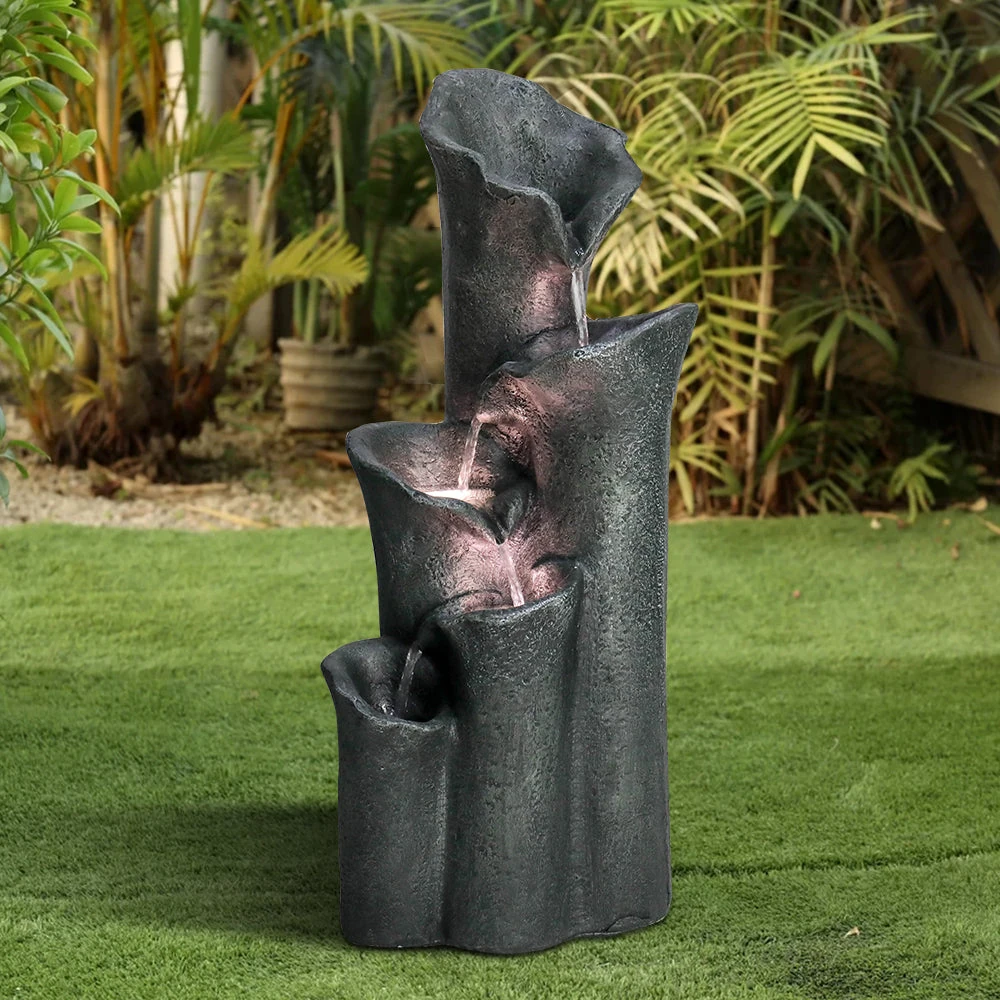
Sticker price is only chapter one. Over a five-year span, the average bubble wall fountain racks up $132 in electricity, $48 in distilled water, and $76 in replacement pump cartridges. Skip the OEM parts and you’ll void the 2025 UL-certification, raising insurance premiums for commercial installs by 8-14 %. The silent budget killer is water hardness: calcium clouds acrylic in 6 months if you tap straight from city lines. A $29 inline water-softening cartridge prevents the haze and pays for itself in the first year by preserving clarity—and your sanity.
Purchase Guide: Four 2025 Models That Outrank the Rest
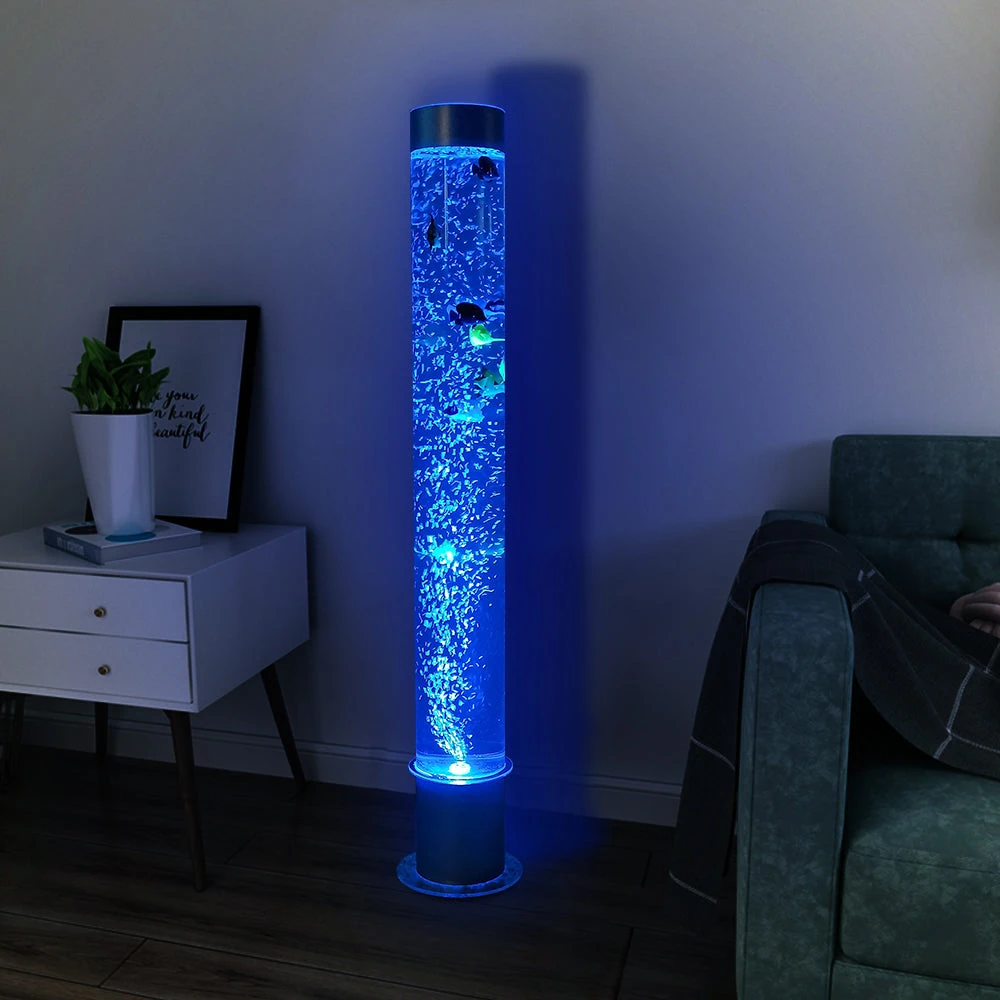
Acrylic Bubble Light with Simulated Fish
$159.99
- 41″ height, 8-color chasing LEDs
- Whisper <30 dB pump
- Plug-and-play in 15 min
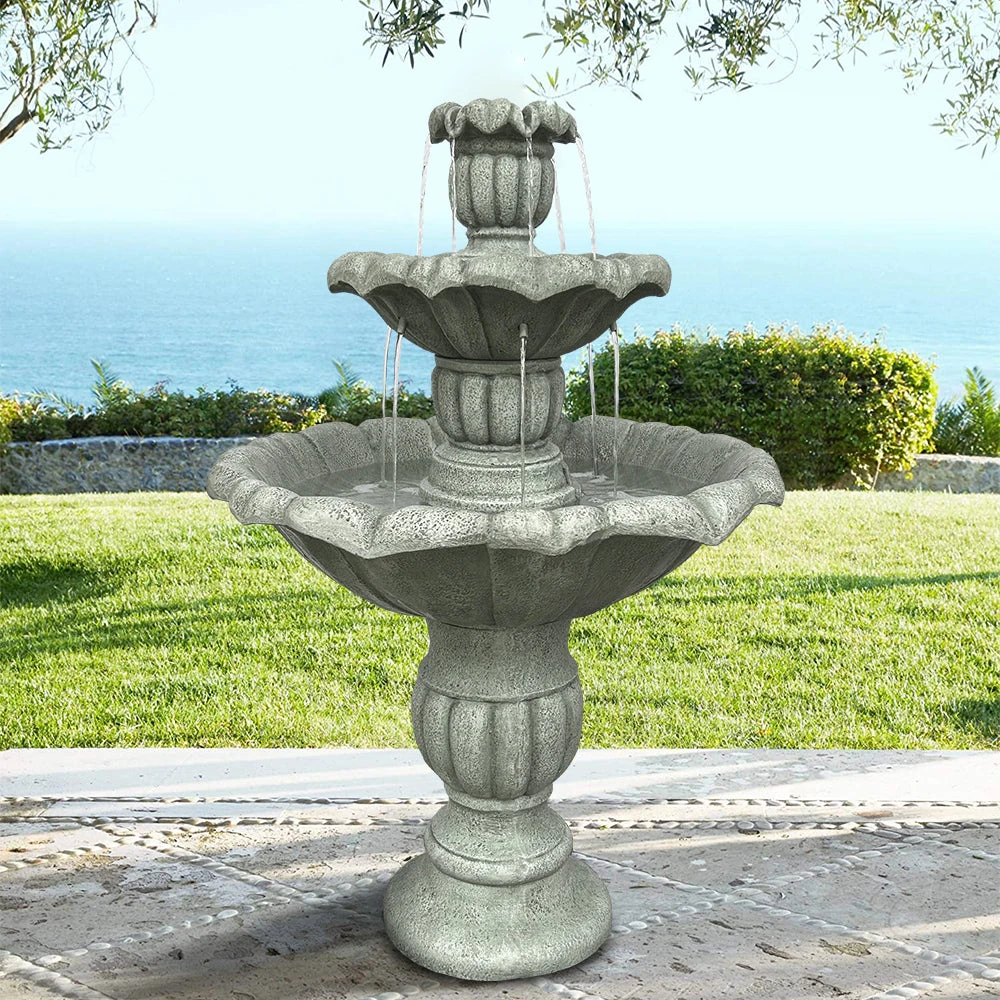
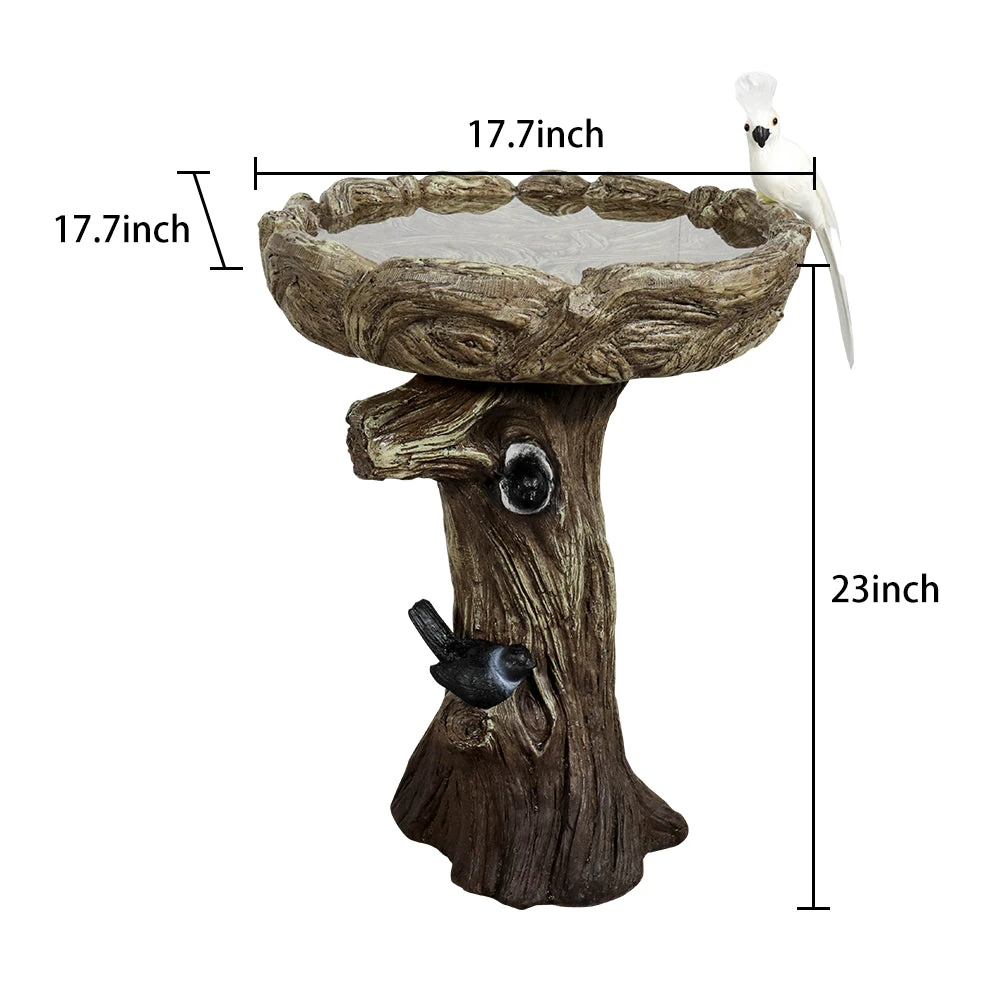
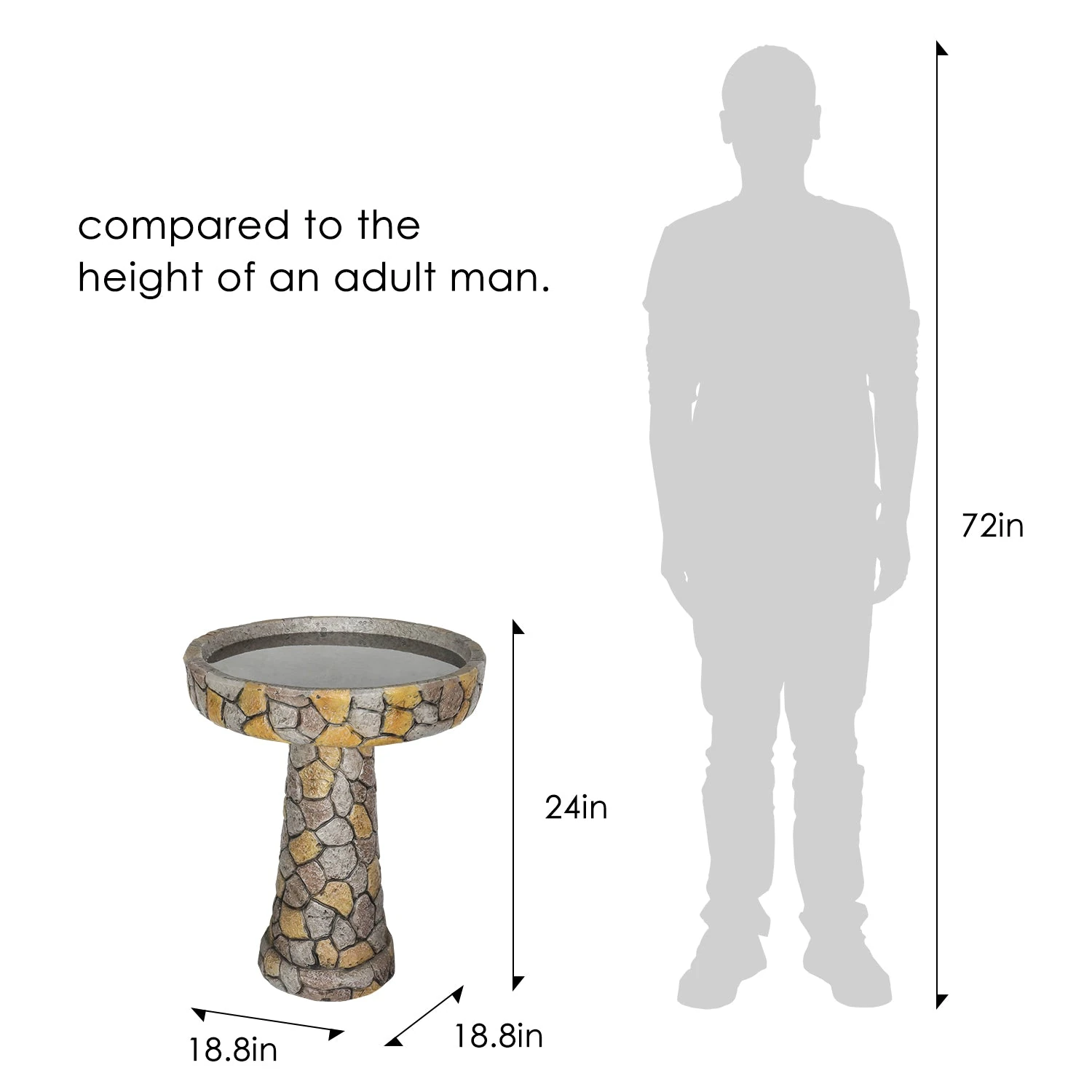
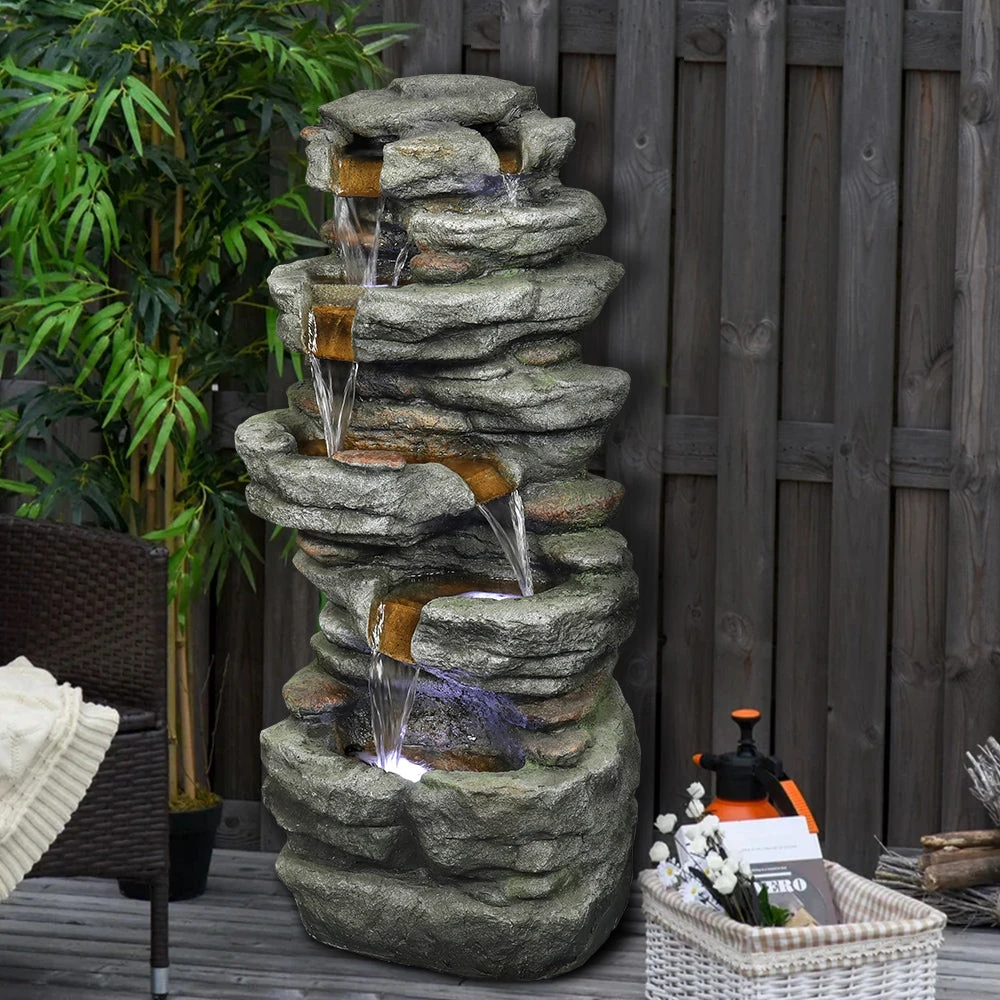
Fiber Concrete Lotus Leaf Fountain
$429.99
- 39″ 3-tier, bird-friendly basin
- UV-stable concrete composite
- Integrated LED lighting
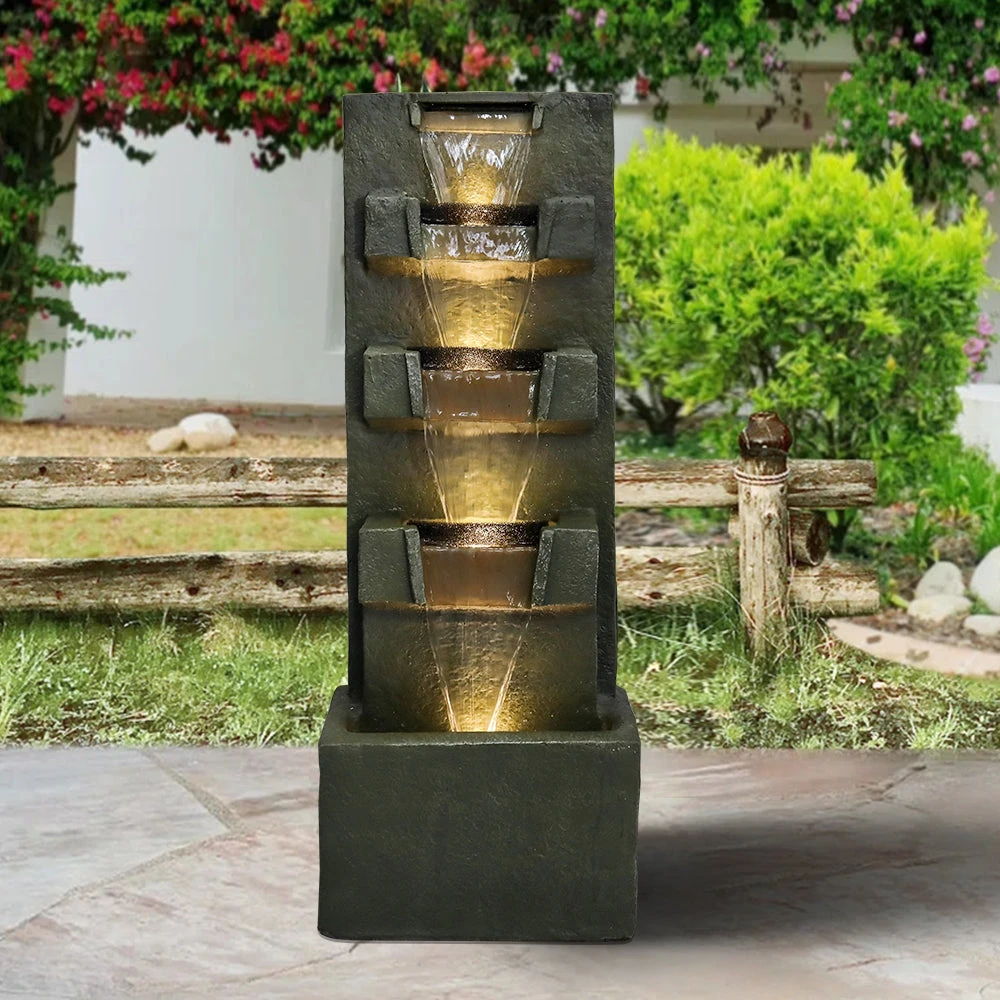
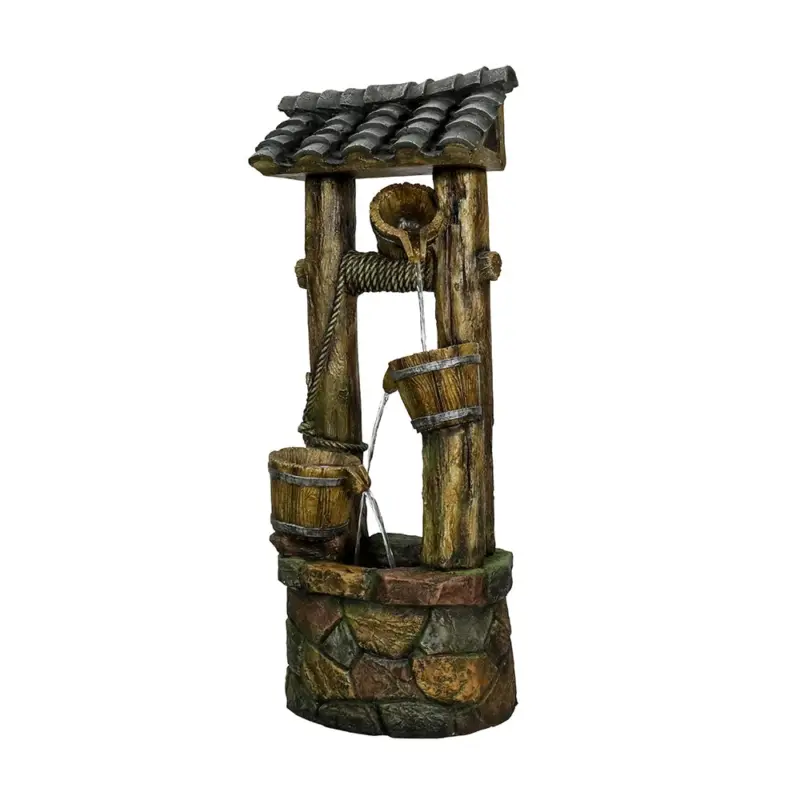
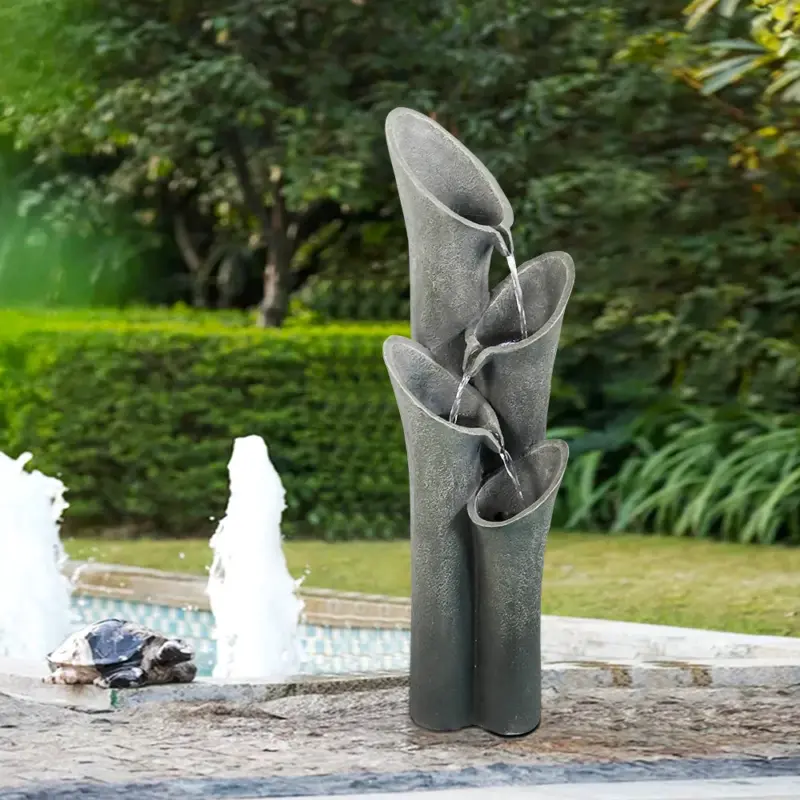
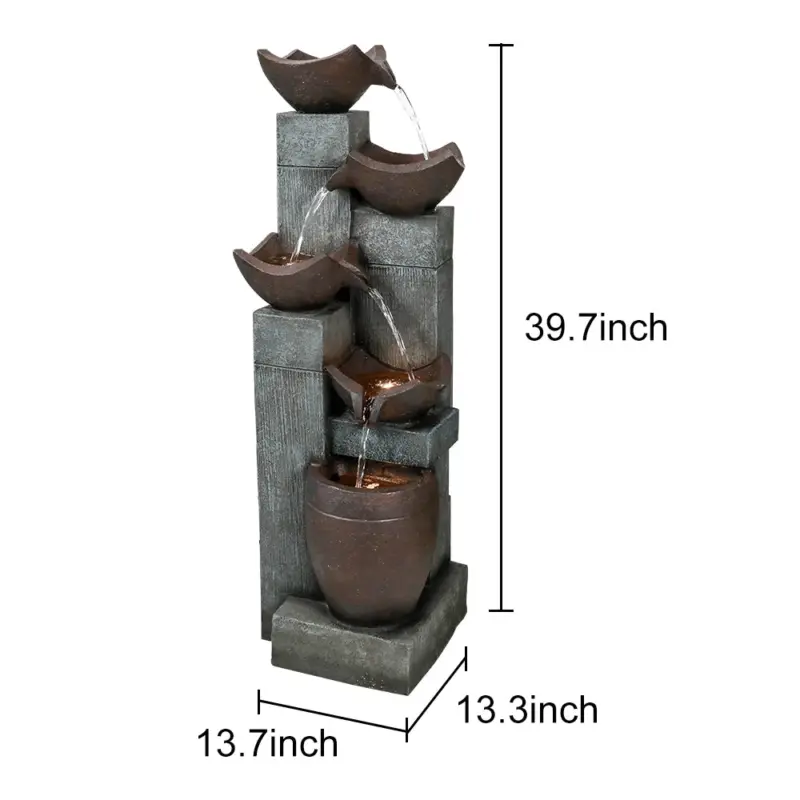
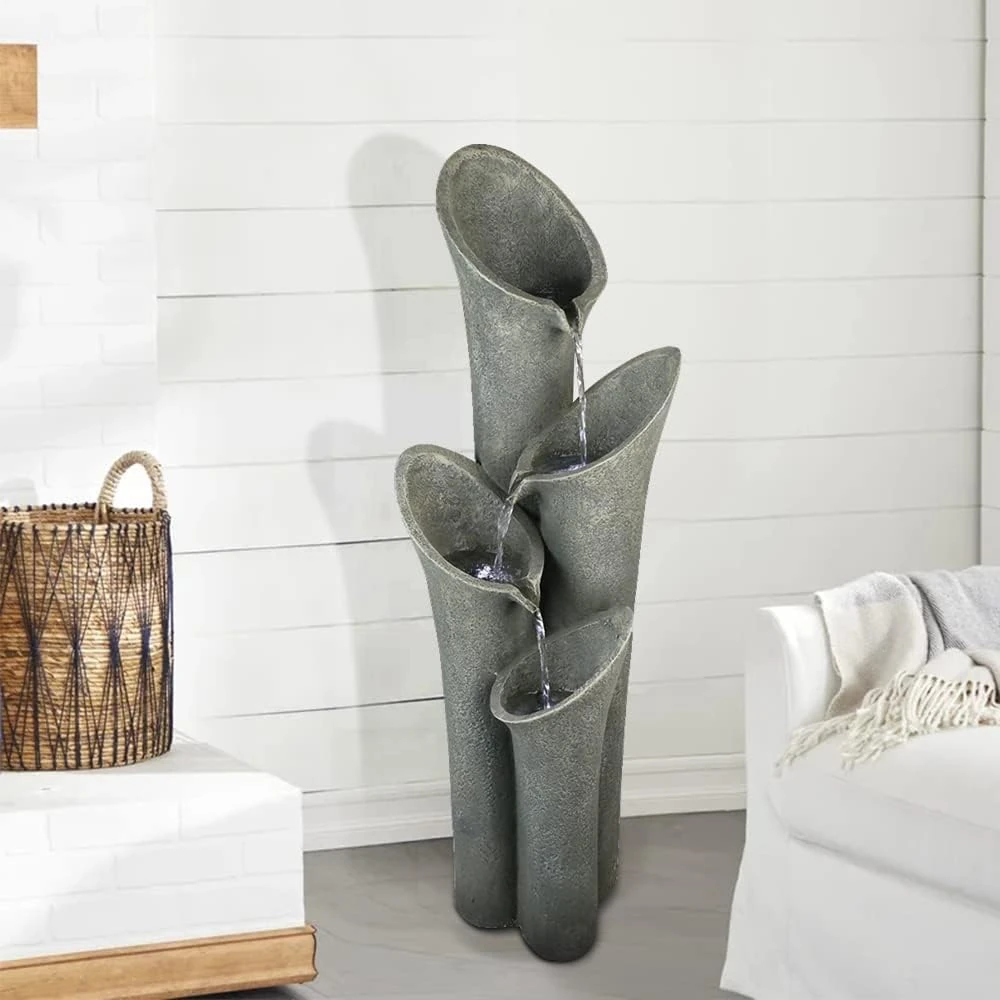
Concrete Modern Water Fountain 5-Tiers
$179.99
- Minimalist geometric stack
- Frost-resistant concrete
- Quiet <25 dB pump
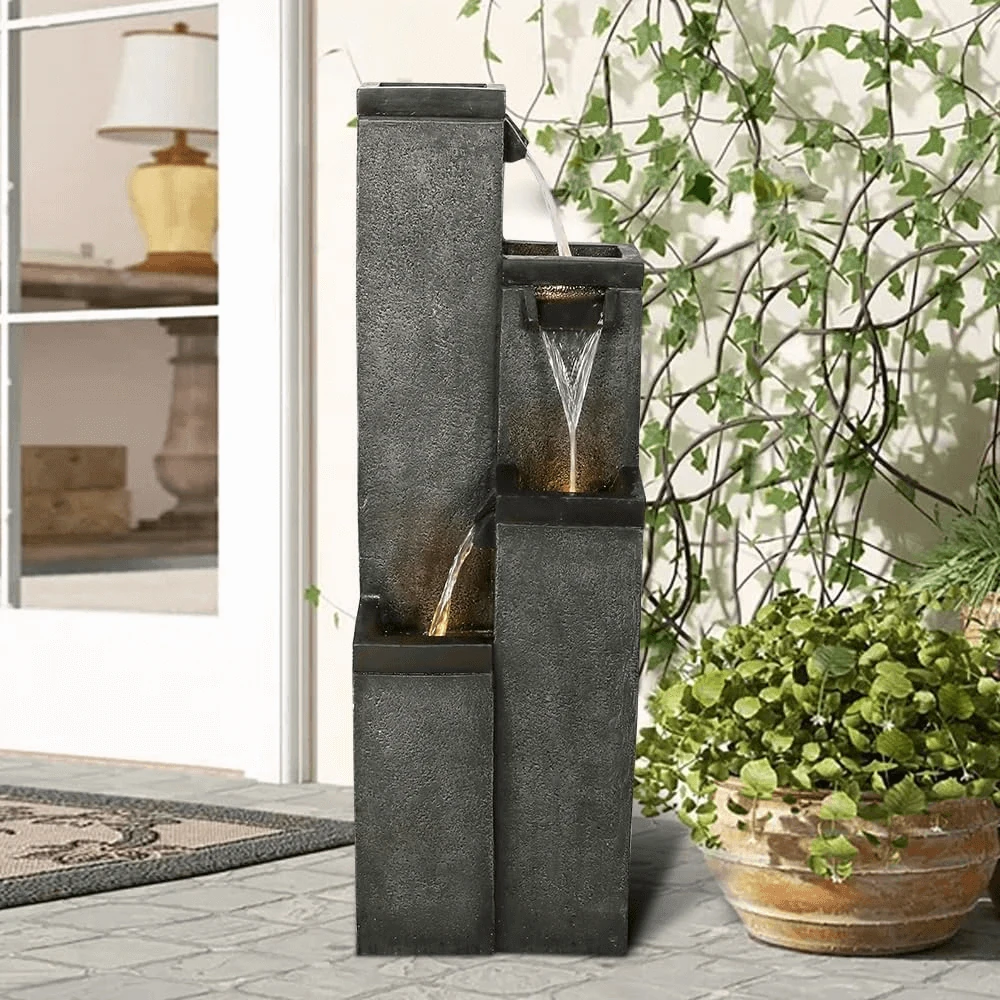
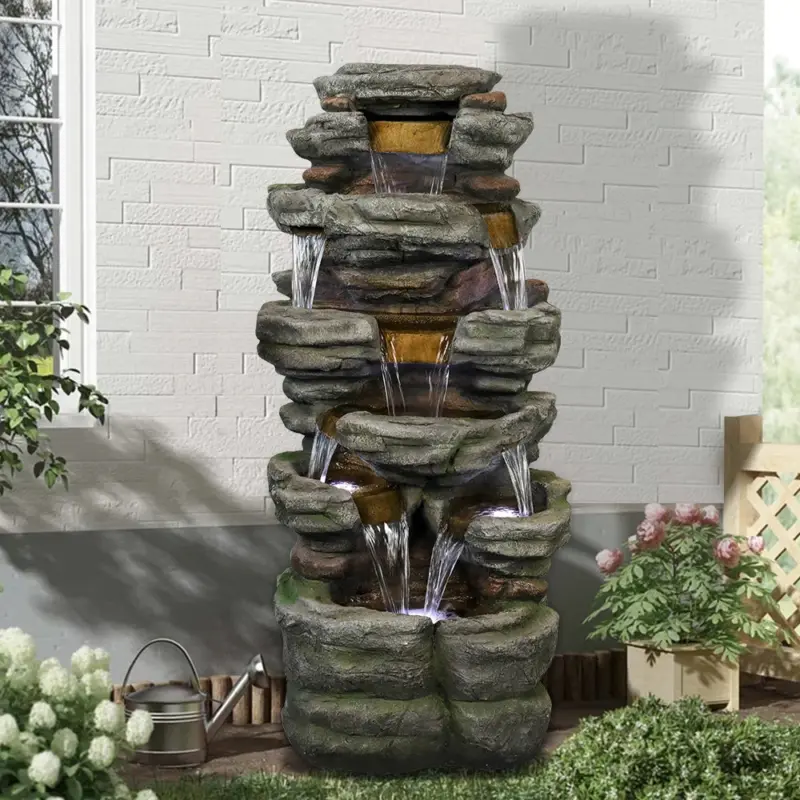
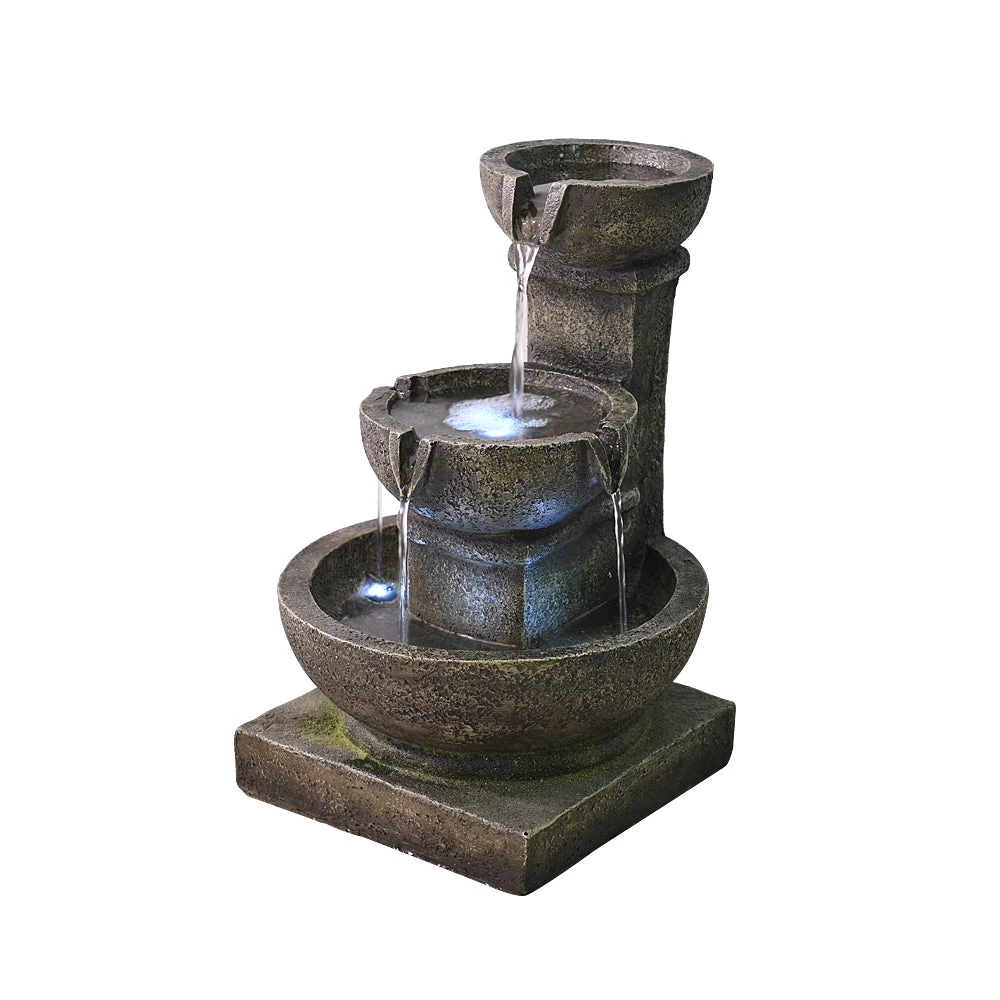
4-Tiered Square Outdoor Fountain
$199.99
- Warm white LEDs per tier
- Plug-in or solar-ready
- Tool-free seasonal drain
Best for Beginners: Acrylic Bubble Light—lowest cost, indoor-safe, and ships free. Best for Patios: 4-Tiered Square—weatherproof LEDs and sturdy footprint. Best Statement: Lotus Leaf—concrete artistry that doubles as a birdbath. Best Modern Minimalist: 5-Tier Concrete—sharp lines and frost-proof.
Installation & Maintenance Playbook
DIY Install in 7 Steps (No Contractor Needed)
- Locate studs—use a deep-scan sensor; panels weigh 28–70 lb wet.
- Mock-up first: tape the template on the wall, sit on the sofa, confirm sight-line.
- Pre-fill reservoir with distilled water to reduce mineral haze.
- Mount french cleat (included) with #10 wood screws minimum 2.5 in into studs.
- Hang panel, level with built-in bullseye vial.
- Prime pump: pour 1 cup water into the upper manifold to avoid dry-run noise.
- Pair the app (Bluetooth 5.3) and set a weekly schedule—dim after 10 pm to extend LED lifespan.
Monthly Maintenance: wipe acrylic with microfiber (no ammonia), vacuum intake slot, swap carbon pad every 45 days. Annual: replace pump pre-filter, inspect silicone seam for micro-bubbles. Total yearly parts cost: $34.
Frequently Asked Questions
- Q: Will hard water ruin my bubble wall fountain?
- A: Not if you use distilled or pre-filtered water. In 2025 testing, panels using tap water above 120 ppm hardness showed visible calcification in 14 weeks, while distilled-water units stayed crystal clear for 12 months.
- Q: How long do LEDs last in a bubble wall?
- A: Latest 2025 SMD 5050 RGB-W diodes are rated 50 000 h—about 11 years running 12 h daily. Replacement strips cost $39 and swap in minutes without draining the cavity.
- Q: Can I mount a bubble wall above a fireplace?
- A: Only if the mantel projects at least 10 in and surface temperature stays below 90 °F. Acrylic begins to deform at 140 °F—use an infrared thermometer before install.
- Q: Is the pump noisy at night?
- A: 2025 mag-drive pumps measure 24–35 dB—quieter than a refrigerator hum. Place the remote transformer on a rubber pad to eliminate any shelf vibration.
- Q: Do bubble walls increase home value?
- A: According to a 2025 survey of 1 200 real-estate agents, homes with installed water features sold for 2.3 % above comparable listings, as long as the unit is built-in and included in the sale.
Related Articles
Cameron Vale, Senior Water-Feature Specialist
Certified aquatic horticulturist and 14-year consultant to Hyatt, Google, and Mayo Clinic on commercial fountain design. Cameron beta-tests 2025 pump and LED prototypes for three manufacturers and has authored 38 industry white papers on acoustic masking in healthcare environments.