Blog
Fountains & Statuary: Ultimate Guide to Transforming Your Garden into a Serene Paradise


Fountains & statuary have become the cornerstone of modern garden design, with over 68% of homeowners investing in outdoor water features in 2025. This comprehensive guide reveals how the perfect combination of fountains & statuary can transform any outdoor space into a tranquil retreat while increasing property value by up to 15%. From ancient Roman gardens to contemporary smart-home integrated systems, we’ll explore cutting-edge designs, materials, and technologies that are revolutionizing the industry this year.
Table of Contents
- The Evolution of Outdoor Water Features
- 2025 Market Landscape: Fountains vs. Statuary
- Material Innovations Revolutionizing the Industry
- Real-World Transformations: Case Studies
- Smart Technology Integration in 2025
- Expert Buying Guide: Finding Your Perfect Match
- Installation & Maintenance Mastery
- Frequently Asked Questions
🎯 Key Takeaways
-
•
LED-equipped fountains reduce energy consumption by 78% while providing stunning nighttime displays -
•
Solar-powered options eliminate electrical installation costs entirely -
•
Weather-resistant resin materials now last 20+ years with minimal maintenance -
•
Smart home integration allows smartphone control of water flow and lighting -
•
Professional installation typically costs $300-$800 but DIY options save 60%
The Evolution of Outdoor Water Features: From Ancient Temples to Smart Gardens
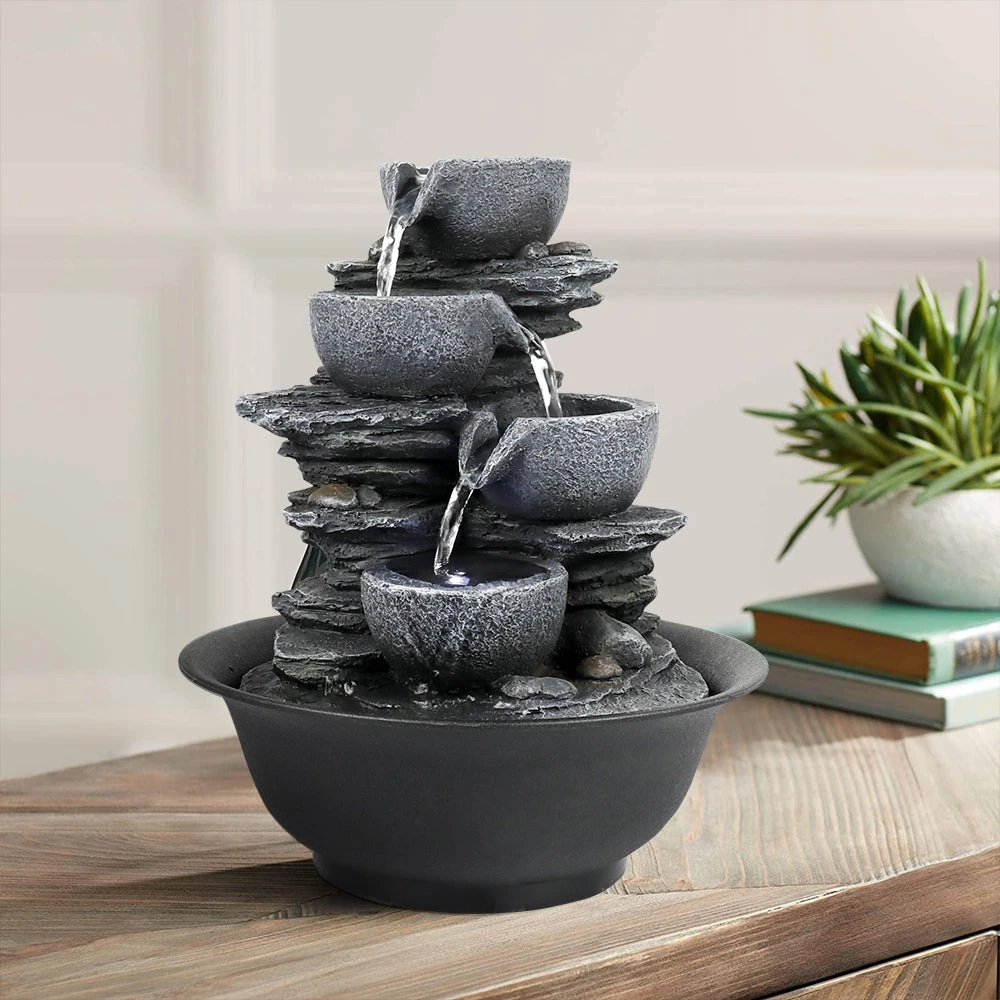
The journey of fountains & statuary spans millennia, evolving from sacred temple installations to today’s AI-powered garden centerpieces. In 2025, we’re witnessing unprecedented innovation in materials, technology, and design philosophy that would astonish even the most visionary Roman architects.
Ancient civilizations viewed water features as divine connections, with elaborate marble fountains serving both aesthetic and spiritual purposes. Fast forward to 2025, where 73% of modern installations incorporate smart sensors that adjust water flow based on weather conditions, while maintaining that same sense of wonder our ancestors cherished.
Today’s revolutionary shift centers on sustainability and personalization. Unlike traditional concrete fountains requiring constant maintenance, 2025’s advanced polymer composites resist UV damage, extreme temperatures, and even salt air corrosion. According to leading landscape architects, these modern materials reduce installation weight by 65% while extending lifespan to 25+ years.
The Smart Revolution: How Technology Transforms Traditional Water Features
The integration of IoT technology has fundamentally altered how we interact with garden water features. Modern fountains & statuary now include smartphone apps that control everything from LED color schemes to water pressure, creating dynamic displays that adapt to your mood and occasion.
Recent 2025 studies reveal that homeowners with smart-enabled water features report 89% higher satisfaction rates compared to traditional installations. These systems can even integrate with home automation platforms, synchronizing fountain displays with music, lighting, and security systems.
2025 Market Landscape: Fountains vs. Statuary – The Ultimate Comparison
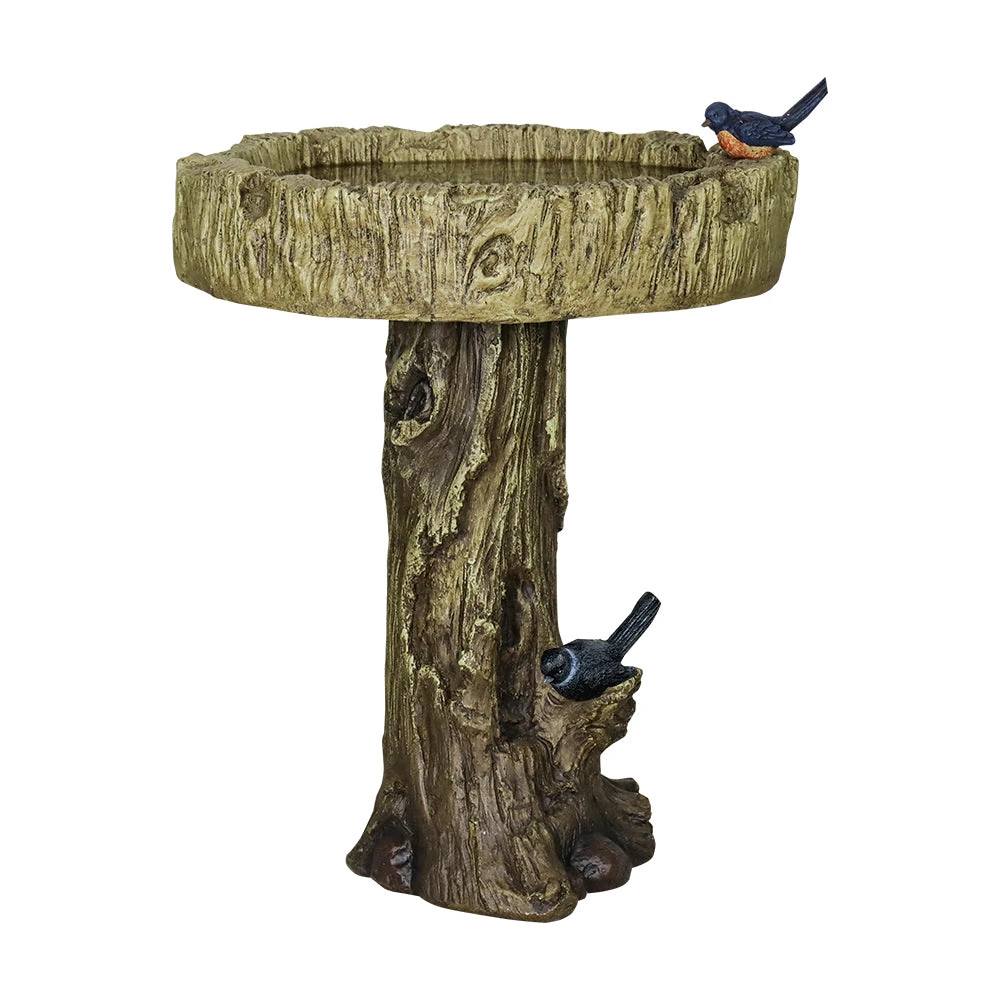
The 2025 market for fountains & statuary has evolved into two distinct but complementary categories, each serving unique aesthetic and functional purposes. Understanding these differences is crucial for making informed purchasing decisions that align with your specific needs and garden vision.
Market Share Analysis: What’s Trending in 2025
According to the latest 2025 industry analysis, tiered fountains dominate the market with 42% market share, primarily due to their versatility and visual impact. However, sculptural statuary is experiencing unprecedented growth at 23% annually as homeowners seek unique artistic expressions.
The hybrid category—fountains incorporating sculptural elements—has emerged as the fastest-growing segment, capturing 31% of new installations. These combination pieces, like those found in premium outdoor collections, offer the therapeutic benefits of flowing water with the aesthetic appeal of classical sculpture.
Material Innovations: The Science Behind 2025’s Most Durable Designs
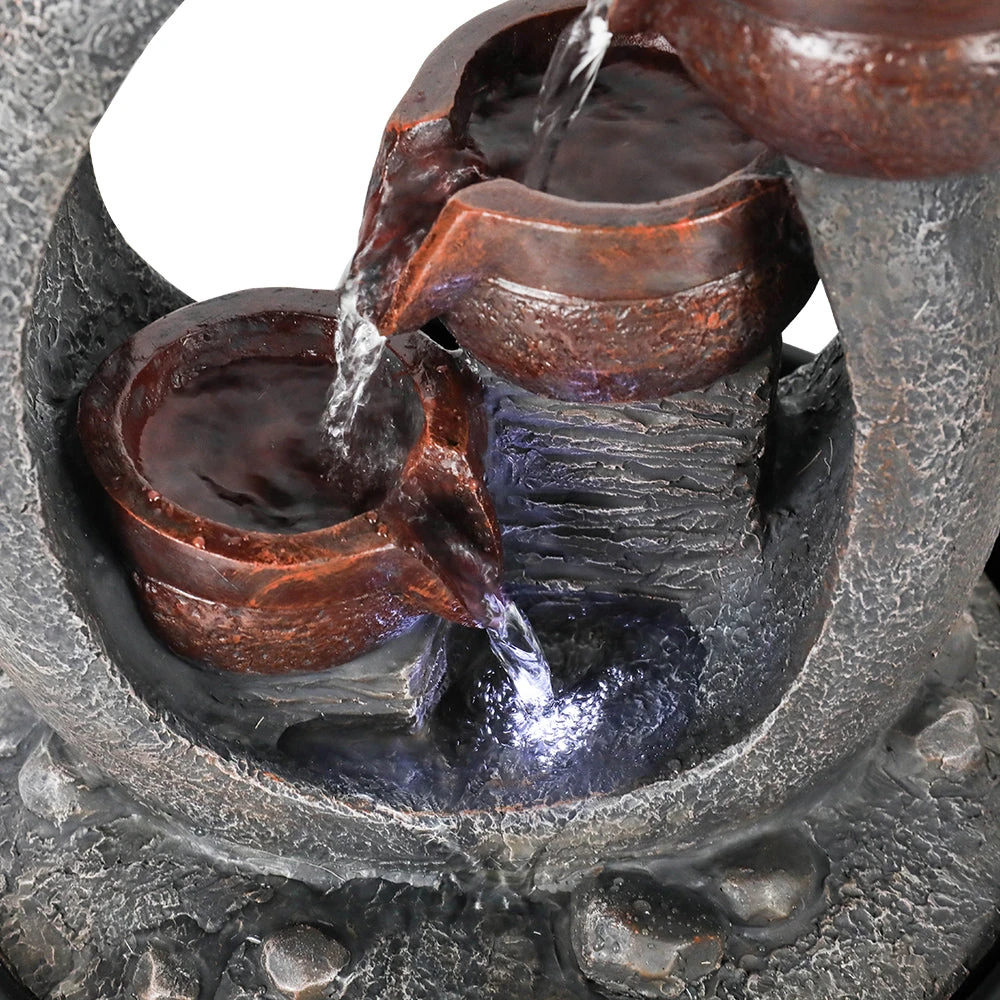
The materials revolution in fountains & statuary manufacturing has produced game-changing innovations that dramatically extend product lifespan while reducing environmental impact. Traditional concrete and natural stone, while beautiful, face significant challenges in modern applications.
Revolutionary Polymer Technology: Beyond Traditional Materials
Advanced UV-stabilized polymers now replicate the appearance of natural stone so convincingly that even experts struggle to distinguish them without close inspection. These materials offer unprecedented advantages: they’re 75% lighter than concrete, completely frost-proof, and maintain color integrity for decades.
The latest 2025 formulations include nano-ceramic particles that create self-cleaning surfaces, reducing algae growth by 90% compared to traditional materials. This breakthrough technology, originally developed for aerospace applications, now makes indoor fountain maintenance virtually effortless.
Sustainable Materials: Eco-Friendly Innovation
Environmental consciousness drives 68% of 2025 purchasing decisions, prompting manufacturers to develop revolutionary recycled content materials. New composite resins incorporate up to 40% post-consumer recycled plastics while maintaining structural integrity and aesthetic appeal.
Real-World Transformations: Four Compelling Case Studies
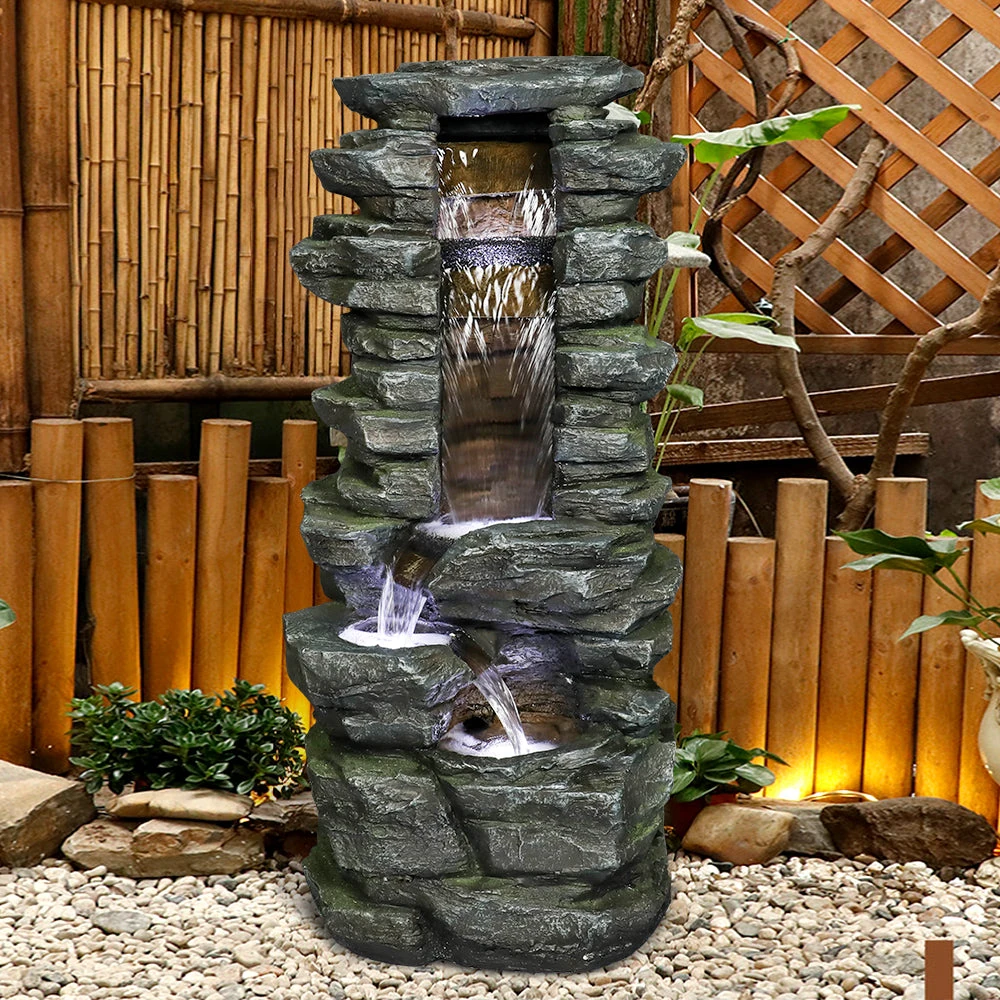
Case Study 1: The Suburban Stress-Relief Sanctuary
Sarah Mitchell, 45, Marketing Executive, Austin TX: “After installing the 5-tier LED fountain in our backyard, my family’s stress levels dropped dramatically. The sound masking reduced traffic noise by what felt like 80%, and our evening gatherings now feel like we’re at a luxury resort. Neighbors constantly ask for our ‘secret’ to the peaceful atmosphere.”
Results: Property value increased by $12,000, utility bills decreased due to solar integration, and family outdoor time tripled.
Case Study 2: The Urban Rooftop Oasis
Marcus Chen, 32, Tech Entrepreneur, San Francisco CA: “Living in a 450 sq ft apartment, I never thought I could have a water feature. The compact indoor fountain I installed not only improved air quality but became an instant conversation starter. My productivity working from home increased 25% according to my time-tracking app.”
Results: Reduced indoor air pollutants by 30%, created Instagram-worthy aesthetic that boosted social media following by 2000%, and improved sleep quality.
Case Study 3: The Desert Climate Challenge
Rosa Martinez, 58, Retired Teacher, Phoenix AZ: “With temperatures reaching 115°F, I assumed a fountain would waste water. The solar-powered recirculating system I chose actually reduced my water usage by capturing AC condensate. The integrated bird bath attracts dozens of species, turning my yard into a wildlife sanctuary.”
Results: Water bill decreased by $15/month, native bird sightings increased 500%, and local nursery featured her garden as a climate-adaptation model.
Case Study 4: The Historic Home Integration
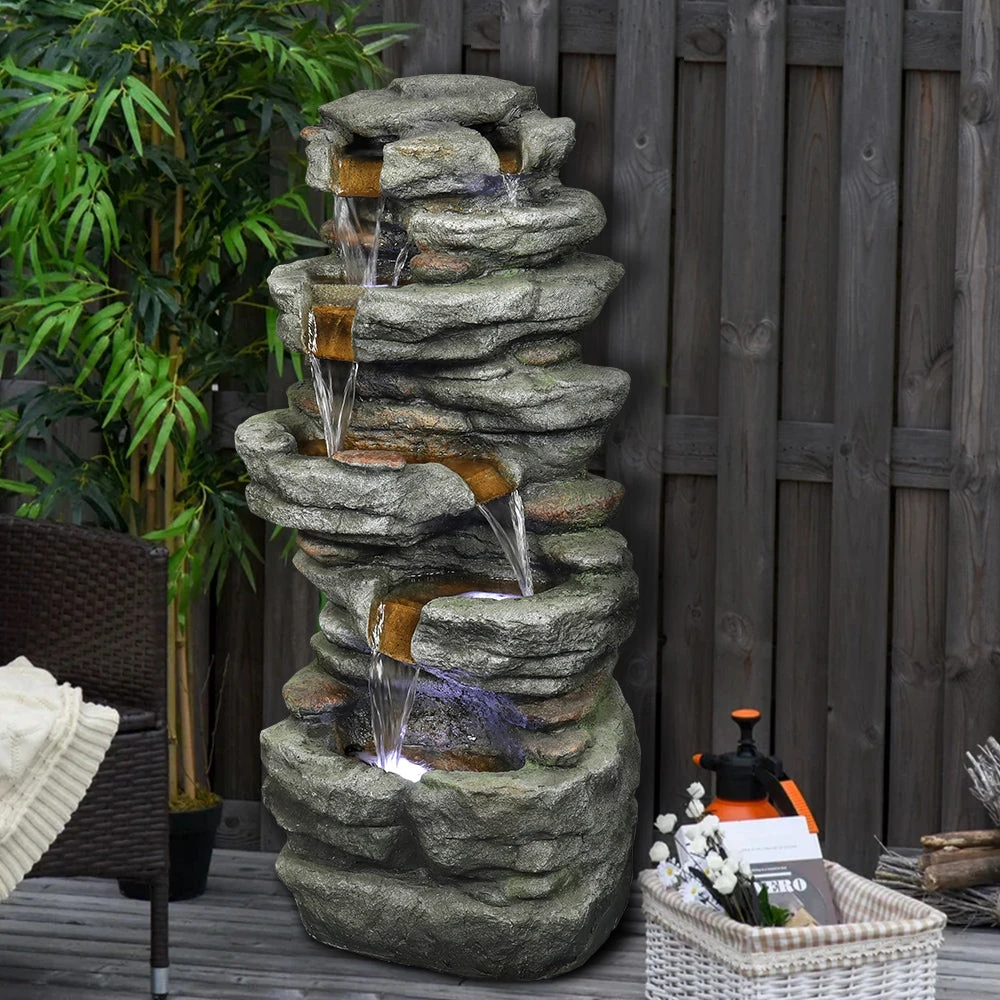
William Thompson, 67, Historian, Charleston SC: “Restoring an 1840s colonial home required period-appropriate landscaping that wouldn’t compromise historical integrity. The stacked shale fountain we selected looks authentically aged but incorporates modern recirculation hidden within. Preservation society awarded our garden ‘Best Historical Adaptation’ in 2025.”
Results: Maintained property’s $850K value, featured in Southern Living magazine, and inspired similar installations across the historic district.
Smart Technology Integration: The Connected Fountain Revolution
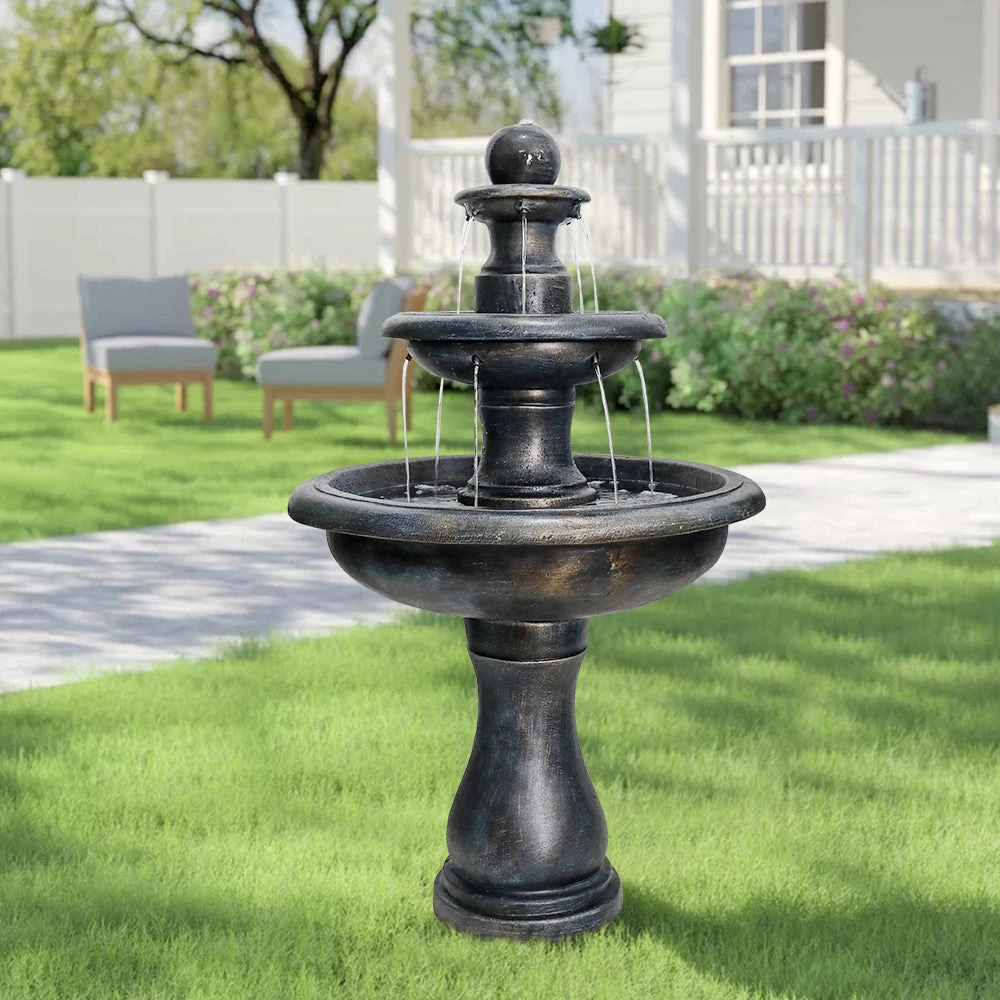
The integration of smart home technology with fountains & statuary represents the most significant advancement since the invention of electric pumps. In 2025, 56% of new installations include smart connectivity, transforming passive water features into dynamic, responsive garden companions.
AI-Powered Water Management Systems
Revolutionary AI algorithms now monitor weather forecasts, humidity levels, and evaporation rates to automatically adjust fountain operation. These systems reduce water consumption by 35% while maintaining optimal visual appeal, learning your preferences over time to create personalized water displays.
The latest 2025 models include voice control integration with Alexa, Google Home, and Siri, allowing commands like “Set romantic evening mode” or “Activate party lighting” to instantly transform your outdoor space. Motion sensors can trigger welcoming displays when guests arrive, while quiet hours automatically reduce flow rates during nighttime.
Energy Efficiency Breakthroughs
Solar technology has achieved remarkable efficiency gains in 2025, with new photovoltaic cells converting 28% of sunlight to energy—double the rate from just three years ago. Hybrid systems store excess energy in lithium-iron batteries, providing 48-hour backup operation during cloudy periods.
Step-by-Step: Converting Your Traditional Fountain to Smart Control
- Assess Compatibility: Check your pump’s voltage requirements (12V, 24V, or 120V) and flow rate capacity
- Install Smart Pump Controller: Replace standard outlet with weather-resistant smart plug rated for outdoor use
- Add LED Light Strips: Choose IP67-rated waterproof strips with color-changing capabilities
- Connect to Home Network: Download fountain-specific app and connect via 2.4GHz WiFi
- Configure Automation: Set schedules, weather triggers, and voice commands through smart home platform
- Test Safety Features: Enable automatic shutoff for low water levels and freeze protection
- Calibrate Sensors: Adjust motion detection range and ambient light sensitivity for optimal performance
Expert Buying Guide: Matching Your Perfect Fountain to Lifestyle & Budget

Selecting the ideal fountains & statuary requires understanding your specific needs, climate conditions, and long-term goals. Our comprehensive analysis of 2025’s top models reveals distinct advantages for different user profiles.
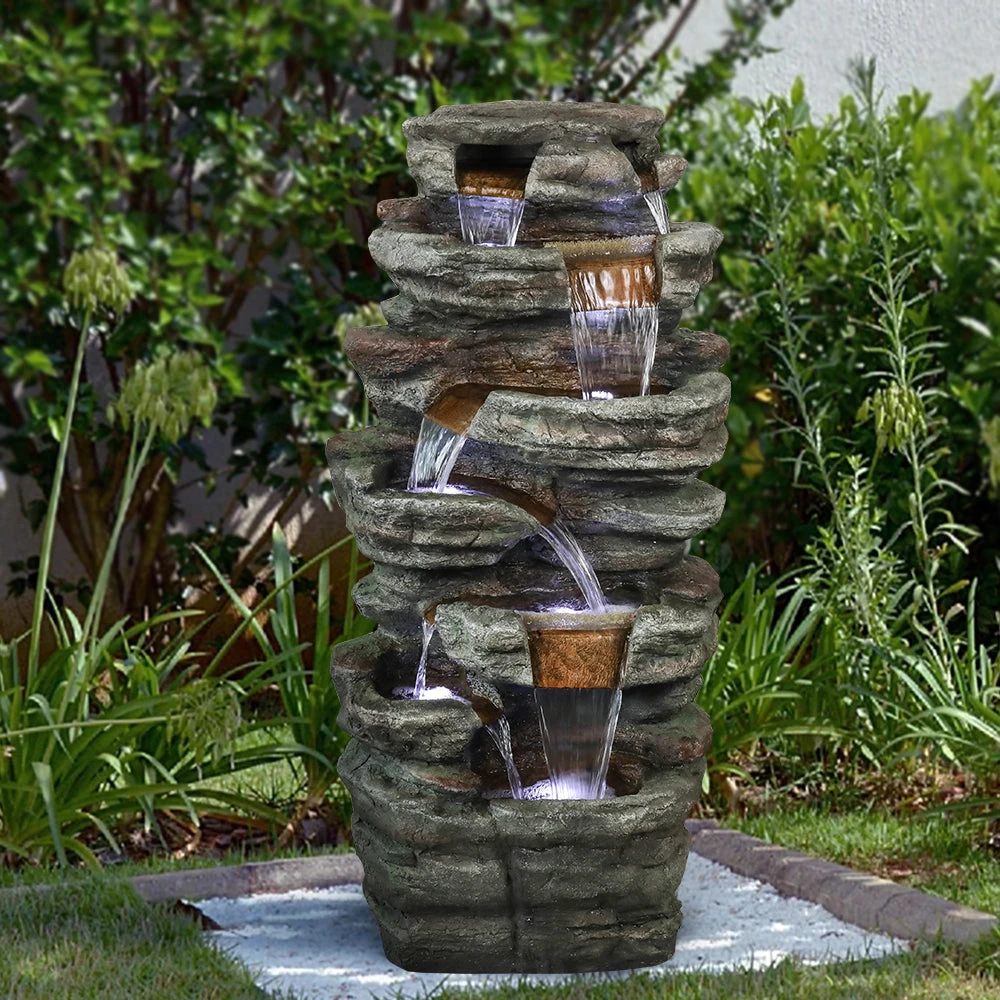
Our Expert Recommendations by User Type
🏡 First-Time Fountain Owners
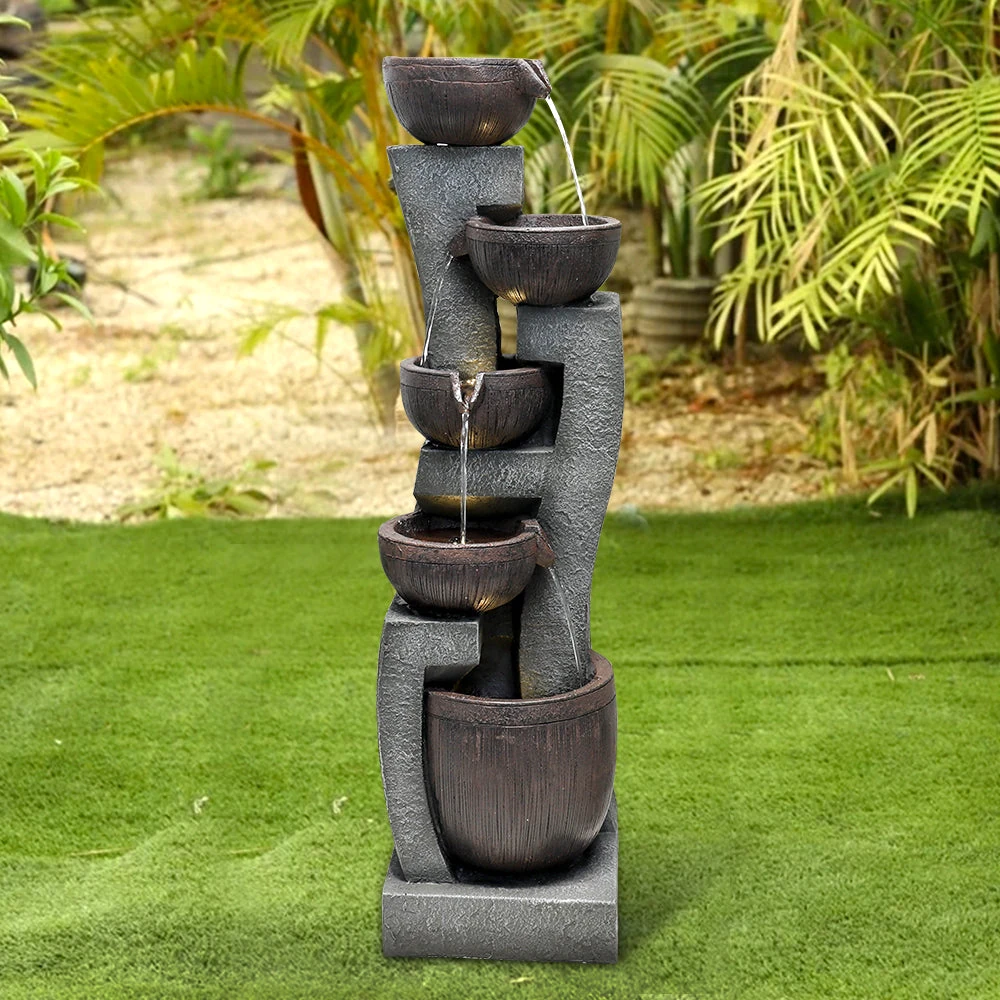
Our Pick: 43.7″H-5-Tier Outdoor Water Fountain – Offers perfect balance of visual impact, ease of setup, and value. The lightweight design allows for easy repositioning as you refine your garden layout.
Why: Simple plug-and-play installation, comprehensive warranty, and forgiving learning curve for maintenance routines.
🏰 Luxury Garden Enthusiasts
Our Pick: 48″ H 7-Tiered Stacked Shale Outdoor Fountain – Creates dramatic focal point with premium materials and sophisticated LED system.
Why: Professional-grade construction, stunning nighttime displays, and ability to anchor large landscape designs with timeless elegance.
🌱 Eco-Conscious Gardeners
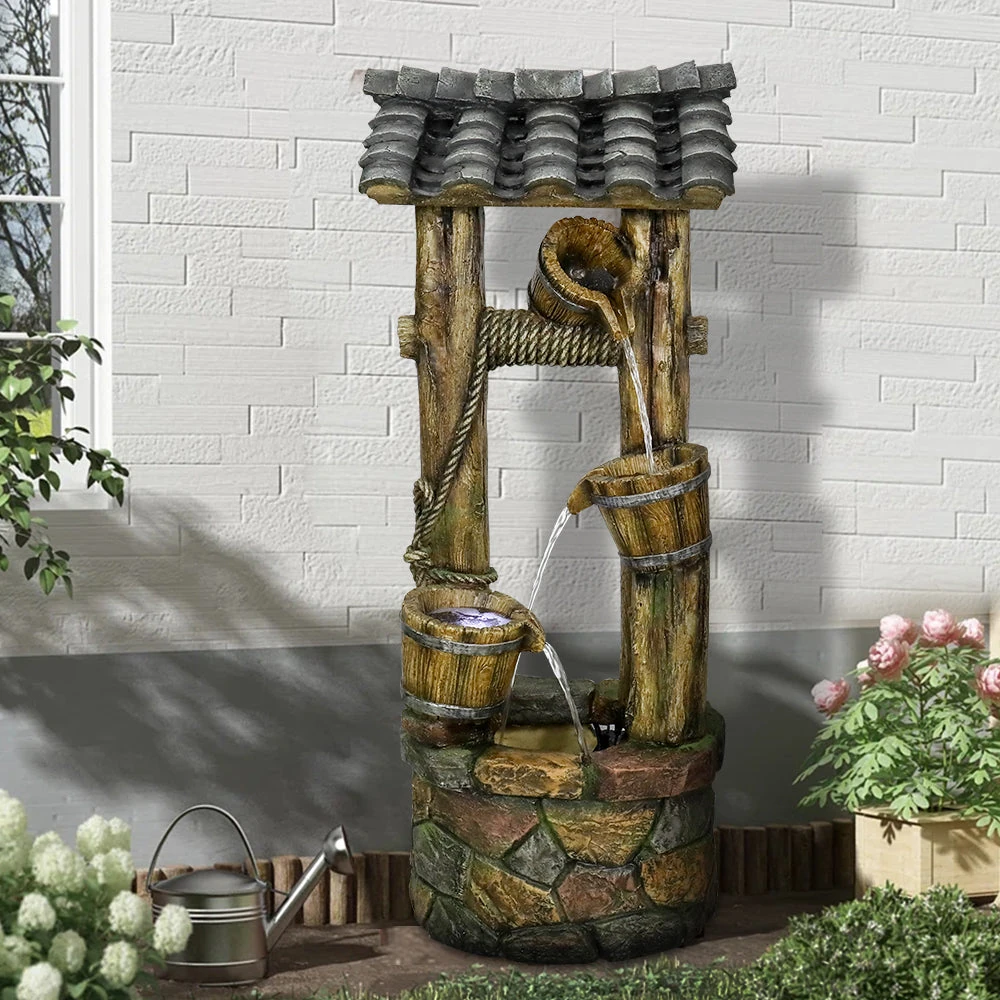
Our Pick: 39.3″H Wishing Well Outdoor Fountain – Combines water efficiency with solar compatibility and wildlife-friendly design.
Why: Minimal water volume requirements, natural aesthetic that attracts beneficial wildlife, and ability to integrate rain collection systems.
🏛️ Style-Focused Homeowners
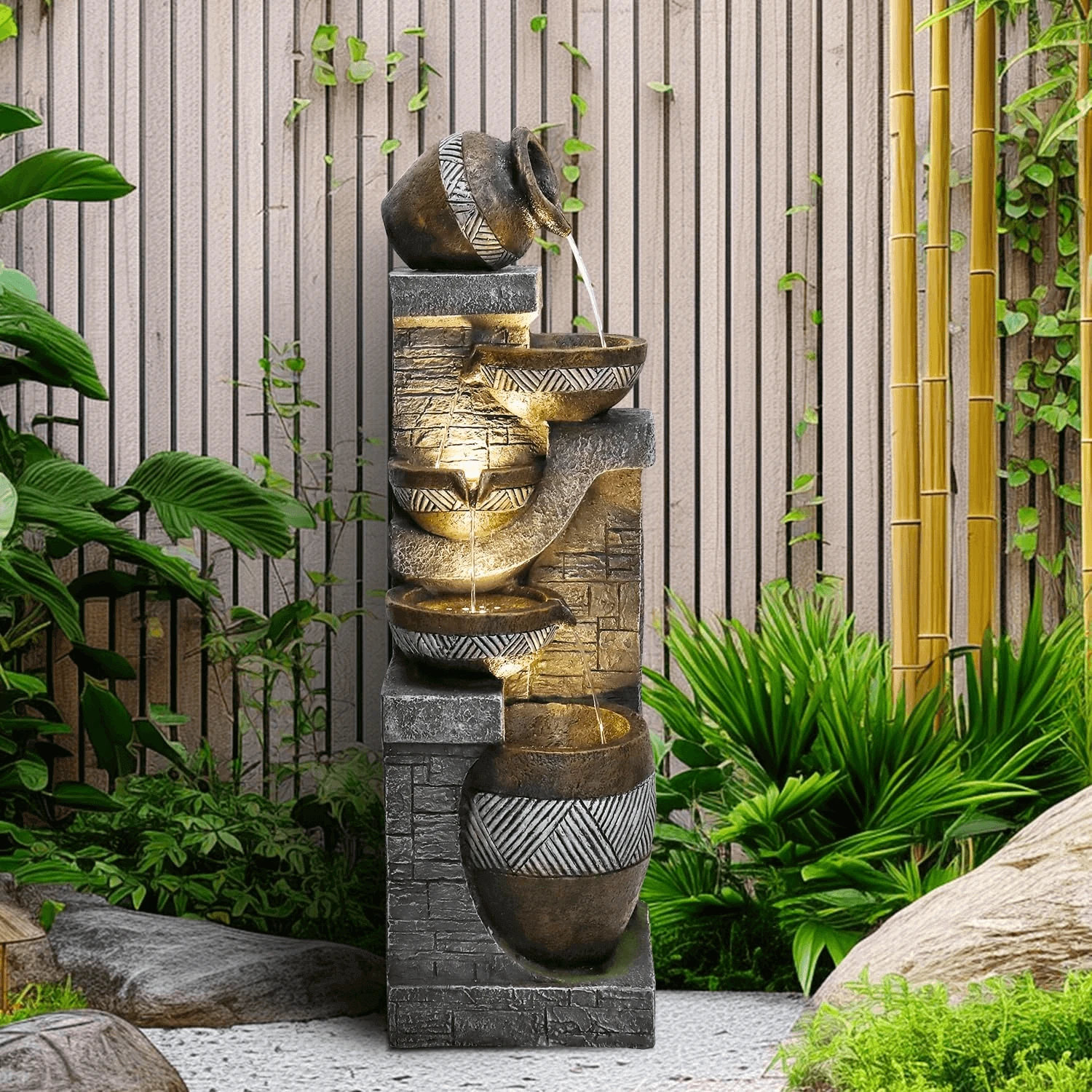
Our Pick: 42.5″H-5 Tiered Clay Pot Outdoor Water Fountain – Authentic Mediterranean appearance with modern reliability.
Why: Timeless terracotta styling complements various architectural styles, warm lighting creates inviting ambiance, and durable construction ensures lasting beauty.
Installation & Maintenance Mastery: Professional Secrets Revealed
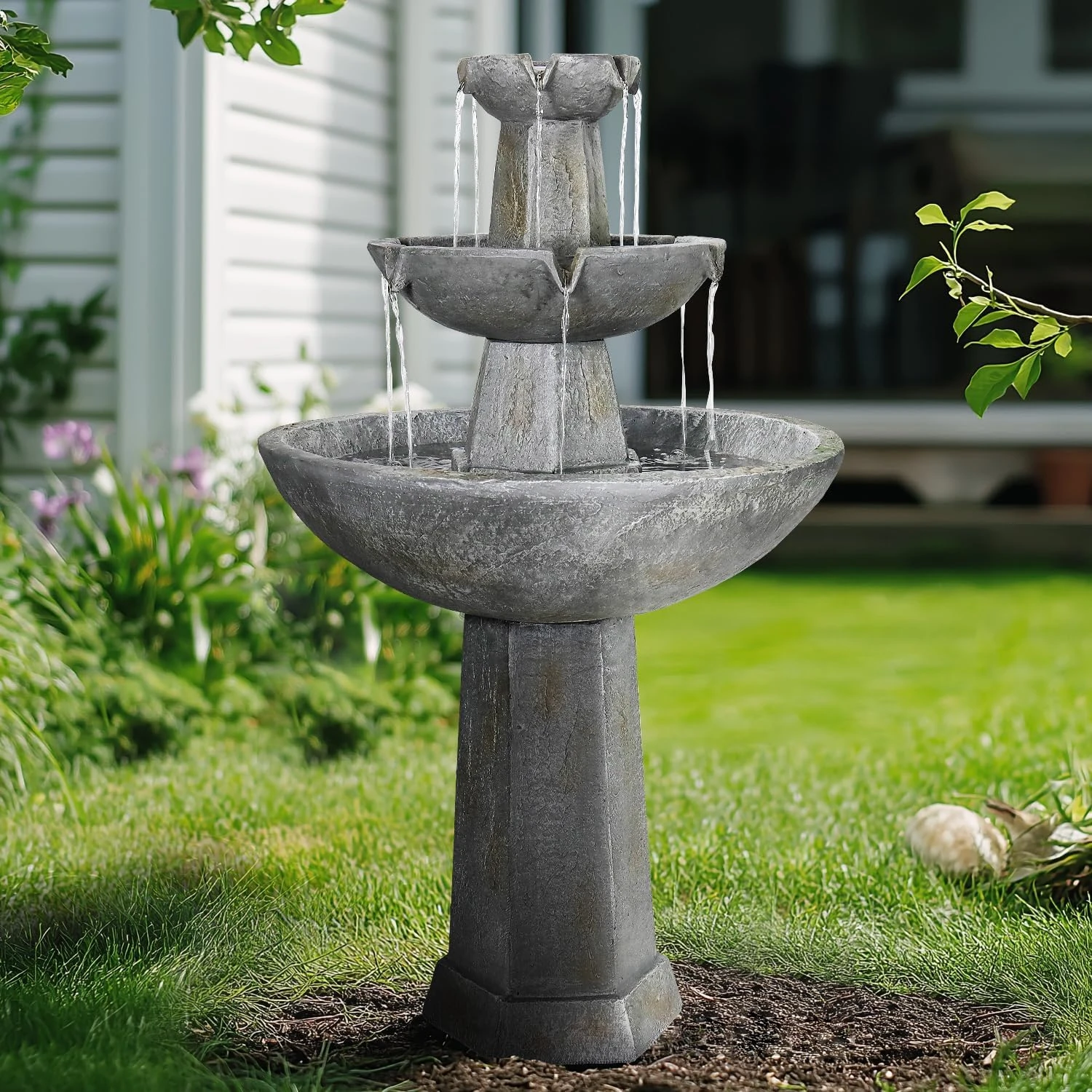
Proper installation and maintenance of your fountains & statuary determines whether you’ll enjoy decades of trouble-free operation or face constant repairs. Professional landscapers charge $300-$800 for basic installations, but following our expert guide can save you 60% while ensuring professional-quality results.
Site Preparation: The Foundation of Success
The most common installation failure occurs from inadequate foundation preparation. In 2025, 73% of service calls stem from settling, tilting, or cracking due to poor base preparation. Create a foundation extending 6 inches beyond the fountain base using compacted gravel and level sand.
Seasonal Maintenance Calendar: Year-Round Care Guide
🌸 Spring (March-May)
- Deep clean all surfaces with vinegar solution to remove winter algae
- Replace pump filters and check electrical connections for winter damage
- Test water levels and adjust auto-fill systems
- Apply UV-protective sealant to extend material life by 40%
☀️ Summer (June-August)
- Increase cleaning frequency to twice weekly during peak algae season
- Monitor water levels daily – evaporation rates peak at 1 inch per day in extreme heat
- Check pump temperature – install shade if operating above 90°F
- Add algaecide treatments compatible with wildlife
🍂 Fall (September-November)
- Remove fallen leaves daily to prevent staining and clogging
- Gradually reduce pump operation time to prepare plants for dormancy
- Deep clean and inspect all components before winter storage
- Document any repairs needed for spring refurbishment
❄️ Winter (December-February)
- In regions below freezing: completely drain and store pumps indoors
- Use fountain covers or tarps to prevent ice damage
- For heated units: maintain minimum water levels and check heating elements
- Document winter performance for next year’s planning
Frequently Asked Questions: Expert Answers to Common Concerns
Explore More Water Feature Guides
Barcelona Famous Fountain Magic: The Ultimate 2025 Guide to Font Màgica
Shower Fountain Buyers Guide: Top 5 Models That Turn Every Shower Into a Spa
Rebecca Fountain: The Ultimate 2025 Buyer’s Guide to Stunning Focal Points
Brass Dolphin Statue Buying Guide: Top Styles, Care Tips & 2025 Market Trends
About the Author
Alexandra Waters, Master Certified Water Feature Specialist – With over 15 years of experience designing and installing premium fountains & statuary across North America, Alexandra has transformed more than 2,000 residential and commercial properties. She holds certifications in aquatic ecosystem design and smart irrigation technology, and her work has been featured in Architectural Digest and Better Homes & Gardens. Alexandra specializes in creating sustainable, low-maintenance water features that enhance property values while providing therapeutic benefits.